So, you've heard about sudoku puzzles, right? Maybe you've seen them in newspapers, on apps, or even tried one yourself. I remember the first time I picked up a sudoku puzzle—it was in a waiting room, and I thought, "How hard can it be?" Well, let me tell you, it sucked me in faster than I expected. These grids of numbers aren't just a way to kill time; they're a brain workout that can be both relaxing and frustrating. In this guide, I'll walk you through everything about sudoku puzzles, from the basics to some advanced tricks I've picked up over the years. Whether you're a newbie or looking to sharpen your skills, this is your go-to resource. And yeah, I'll share some of my own blunders too—like that time I spent hours on a puzzle only to realize I'd messed up the first row. Oops.
What Are Sudoku Puzzles Anyway?

Sudoku puzzles are these 9x9 grid games where you fill in numbers from 1 to 9. The catch? Each row, each column, and each of the nine 3x3 boxes must contain all digits from 1 to 9 without repeating any. It sounds simple, but it can get tricky real fast. The name "sudoku" comes from Japanese, meaning "single number," but the game actually has roots in older puzzles like Latin squares. I find it funny how something so logical can feel like a puzzle from another dimension sometimes.
When I first started, I thought it was all about math, but it's not—it's pure logic. No calculations needed, just your brain connecting dots. That's why I love it; it's like a mental escape. Over the years, sudoku puzzles have evolved, and now you see them everywhere, from easy ones in kid's magazines to brain-melting versions in competitions.
The History Behind Sudoku Puzzles
Did you know sudoku puzzles weren't always a thing? They started in the late 1970s in puzzle magazines in the US, but it was Japan in the 1980s that really popularized them. A guy named Howard Garns is often credited with the original concept, but it took a Japanese publisher to make it a global hit. I think it's cool how a simple idea spread so wide. By the 2000s, sudoku puzzles were in newspapers worldwide, and now there are apps, books, and even world championships. Sometimes I wonder if Garns ever imagined his puzzle would become this big.
Personally, I got into sudoku during a long flight—it was the only thing that kept me sane. Now, it's part of my daily routine. But hey, not all history is glamorous; some early versions were poorly designed and full of errors, which honestly made me quit a few times out of frustration.
How to Play Sudoku: The Basic Rules
If you're new to sudoku puzzles, don't worry; it's not as complicated as it looks. Here's the lowdown: you have a grid with some numbers already filled in. Your job is to fill in the empty cells so that every row, column, and 3x3 box has the numbers 1 through 9 exactly once. That's it. No repeats, no missing numbers. I remember my first puzzle—I kept double-checking because I thought I was missing something.
Let me break it down with a simple example. Say you have a grid, and in one row, you see numbers 1, 2, 3, and then blanks. You need to figure out what goes in the blanks based on the columns and boxes. It's like a detective game for numbers. One thing I learned the hard way: always start with the obvious spots. Look for rows or columns with only one missing number—that's your easy win.
Step-by-Step Guide for Beginners
When I teach friends how to solve sudoku puzzles, I tell them to follow these steps. It's not rocket science, but it helps avoid early mistakes.
- Scan the grid: Look for any row, column, or box that's almost full. If a row has eight numbers filled, the ninth is a no-brainer.
- Use pencil marks: I always jot down possible numbers in the corners of empty cells. It saves me from forgetting later.
- Focus on one number at a time: Pick a number, say 5, and see where it can go in each row and column. This method, called "cross-hatching," worked wonders for me when I was starting out.
- Check for conflicts: After filling a cell, double-check that it doesn't break the rules in other areas. I've lost count of how many times I had to erase because I got too eager.
Advanced Strategies for Sudoku Puzzles
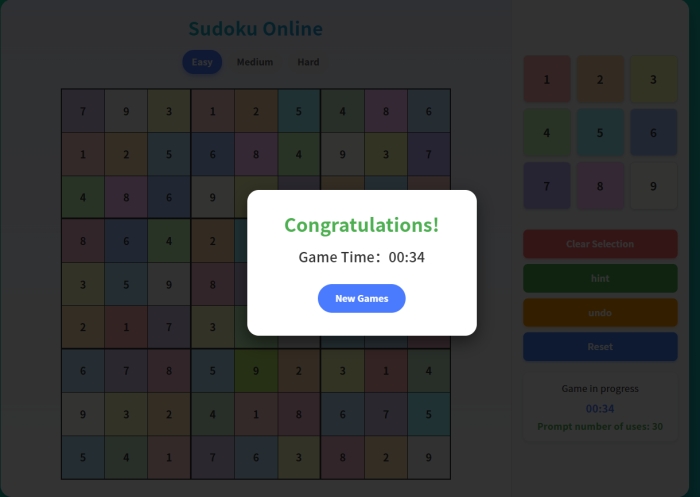
Once you've got the basics down, sudoku puzzles can still throw curveballs. I used to hit walls where I'd stare at the grid for ages. Then I learned some advanced tricks. For instance, the "X-Wing" technique involves looking for patterns where a number can only go in two spots in two rows or columns, and it helps eliminate possibilities. It sounds fancy, but it's just pattern recognition. Another one is "Swordfish," which is like X-Wing but for three rows or columns. I admit, these can be overwhelming at first—I spent a whole weekend practicing them and still messed up sometimes.
Here's a quick list of advanced methods I use when I'm stuck:
- X-Wing: If a number appears only in two cells in two rows and those cells line up in columns, you can eliminate that number from other cells in those columns. It's saved me from many dead ends.
- Swordfish: Similar to X-Wing, but it spans three rows or columns. It requires a keen eye, and I've found it easier on paper than on screens.
- XY-Wing: This involves three cells that form a chain, helping you deduce numbers. It's one of those "aha" moments when it clicks.
- Color trapping: Use colors to track possibilities—sounds childish, but it works for complex sudoku puzzles.
I remember trying the X-Wing on a tough puzzle and feeling like a genius when it worked. But let's be real, not all strategies are for everyone. Some feel like overkill, and I've seen people give up because they're too complicated. That's why I suggest building up slowly; don't jump into the deep end right away.
Different Types of Sudoku Puzzles
Sudoku puzzles aren't all the same—there are variants that add twists. For example, "Killer Sudoku" combines sudoku with math, where cages have sums that must add up. I tried it once and found it fun, but it's not for purists. Then there's "Hyper Sudoku," which has extra regions, making it harder. I like mixing it up to keep things fresh, but some variants can be annoying if they're not well-designed.
Here's a table comparing some popular sudoku puzzle types. I've included my personal rating based on difficulty and fun factor.
| Type | Description | Difficulty (1-10) | My Take |
|---|---|---|---|
| Classic Sudoku | Standard 9x9 grid with basic rules. | 3-7 | Great for beginners, but can get repetitive. |
| Killer Sudoku | Adds cages with sums; requires basic math. | 5-8 | Adds a nice challenge, but I hate when sums are too vague. |
| Hyper Sudoku | Extra 3x3 regions overlap the main grid. | 6-9 | Fun for variety, but sometimes the extra regions confuse me. |
| Samurai Sudoku | Five overlapping grids; very time-consuming. | 8-10 | I attempted one and gave up after two hours—not my cup of tea. |
| Word Sudoku | Uses letters instead of numbers; often forms words. | 4-7 | A refreshing change, but letters can be trickier to track. |
From my experience, if you're new to sudoku puzzles, stick with the classic. The variants are for when you want to spice things up, but they can be hit or miss. For instance, I once downloaded a Killer Sudoku app that had bugs, and it ruined my mood. So, always check reviews before diving in.
Why Play Sudoku? The Mental Benefits
You might be wondering, why bother with sudoku puzzles? Well, they're not just fun; they're good for your brain. Studies show they can improve memory, focus, and problem-solving skills. I've noticed that since I started playing regularly, I'm better at spotting patterns in everyday life. It's like a gym session for your mind. Plus, it's a stress reliever—when I'm stuck in traffic, I pull out a sudoku puzzle on my phone, and it calms me down. But hey, it's not a magic pill; if you overdo it, it can lead to frustration. I've had days where I couldn't solve one, and it left me grumpy. Balance is key.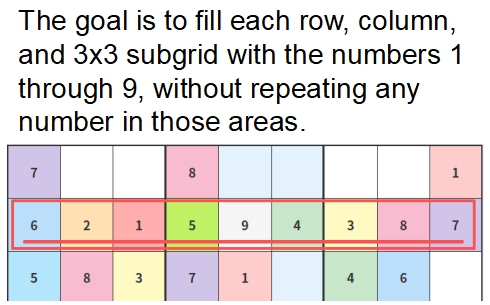
Here are some proven benefits I've read about and felt myself:
- Boosts cognitive function: Regular play can sharpen your logic and reasoning. I feel more alert after a session.
- Reduces stress: Focusing on the puzzle distracts from worries. Though, if the puzzle is too hard, it might do the opposite—just saying.
- Improves patience: Sudoku puzzles teach you to slow down and think. I used to rush, but now I take my time, and it pays off.
- Social aspect: Joining online communities or competitions can be fun. I met some cool people through sudoku forums.
But let's not sugarcoat it—sometimes, sudoku puzzles can be addictive. I've skipped meals because I was too into solving one. Not proud of that, but it's a real risk. So, set limits if you need to.
Common Mistakes in Sudoku Puzzles and How to Avoid Them
We all make mistakes, and with sudoku puzzles, it's easy to slip up. One common error is assuming a number must go somewhere without checking all possibilities. I did that once and had to restart a puzzle from scratch. It was a lesson in humility.
Here's a list of pitfalls I've encountered and tips to dodge them:
- Guessing: Never guess—it leads to chaos. Use logic instead. I learned this the hard way after multiple failures.
- Ignoring pencil marks: If you don't note possibilities, you might forget and repeat numbers. I now always keep a pencil handy.
- Overlooking hidden pairs: Sometimes, two cells in a row can only contain two numbers, but it's easy to miss. Taking breaks helps me spot these.
- Rushing: Speed isn't everything. I used to compete with friends, but it just caused errors. Now, I focus on accuracy.
For instance, in a tricky sudoku puzzle, I once filled a cell based on a hunch, and it messed up the whole grid. From then on, I double-check every move.
The Best Sudoku Apps and Websites
With so many options out there, finding good sudoku puzzles can be tough. I've tried dozens of apps, and some are gems while others are trash. Let me share my top picks based on user experience, features, and ads. Because let's face it, nothing ruins a puzzle like pop-ups.
Top Sudoku Apps for 2023
Here's my personal ranking of sudoku apps. I've included pros and cons from my usage.
| App Name | Platform | Key Features | Cost | My Rating |
|---|---|---|---|---|
| Sudoku.com | iOS, Android | Free, daily challenges, multiple difficulty levels. | Free with ads; premium for $2.99/month | 8/10 - Solid, but ads can be annoying. |
| Brainium Sudoku | iOS, Android | Clean interface, hint system, no forced ads. | Free; optional in-app purchases | 9/10 - My go-to for quick sessions. |
| Enjoy Sudoku | Web, iOS | Advanced solving aids, customizable grids. | Free | 7/10 - Great for learning, but interface feels dated. |
| Killer Sudoku by Sudoku.com | iOS, Android | Variants included, good for practice. | Free with ads | 6/10 - Fun, but too many interruptions. |
I mostly use Sudoku.com because it's reliable, but the ads drive me nuts sometimes. If you're serious about sudoku puzzles, investing in a premium app might be worth it. Also, websites like WebSudoku offer free puzzles, but I find the mobile apps more convenient for on-the-go solving.
My Personal Journey with Sudoku Puzzles
I started playing sudoku puzzles back in college. It was a way to unwind between classes. At first, I stuck to easy ones, but as I got better, I moved to harder levels. One thing I learned: consistency matters. I try to do at least one puzzle a day, and it's become a habit. But not all experiences are positive. I remember one app that crashed mid-puzzle, and I lost all progress. That was a low point, and I switched to offline books after that.
Have you ever had that moment when everything clicks? For me, it was solving my first expert-level sudoku puzzle. I felt on top of the world. But then there are times when I hit a wall—like that puzzle I mentioned earlier where I messed up the first row. It took me a week to get back to it. That's the thing about sudoku puzzles; they teach resilience.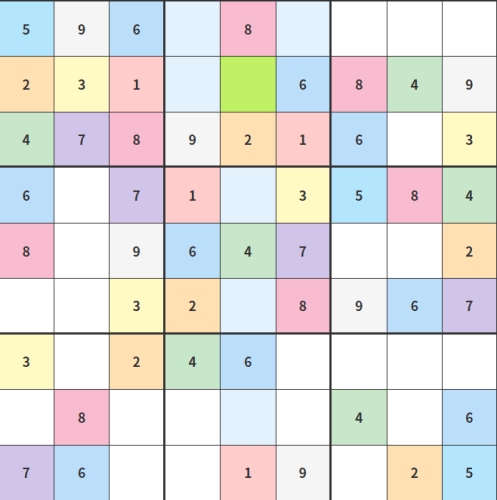
Frequently Asked Questions About Sudoku Puzzles
Q: How long does it take to solve a sudoku puzzle?
A: It varies a lot. Easy ones might take 5-10 minutes, while hard sudoku puzzles can take over an hour. I've spent up to two hours on some, but it depends on your skill level. For beginners, don't worry about time; focus on learning.
Q: Are sudoku puzzles good for kids?
A: Definitely! They help with logical thinking. I've seen kids as young as 8 enjoy them, but start with smaller grids like 4x4.
Q: What's the hardest type of sudoku puzzle?
A: In my opinion, Samurai Sudoku is the toughest because of the multiple grids. But some competition-level sudoku puzzles are designed to be nearly impossible—I avoid those for my sanity.
Q: Can I create my own sudoku puzzles?
A: Yes, but it's tricky. You need to ensure there's only one solution. I tried it once and ended up with multiple answers, which was a fail.
Q: Why do I keep making mistakes in sudoku puzzles?
A: It's common—often due to rushing or not checking thoroughly. I suggest slowing down and using a checklist.
These questions come up a lot in forums, and I've asked them myself. If you're diving into sudoku puzzles, don't be shy to seek help; the community is generally friendly.
Wrapping It Up: Tips for Mastering Sudoku Puzzles
So, there you have it—a deep dive into sudoku puzzles. From the basics to advanced tricks, I've shared what I know, including my ups and downs. Remember, the key is to enjoy the process. Don't get bogged down by failures; even experts mess up. I still do, and that's what keeps it interesting. Whether you're playing for fun or to challenge yourself, sudoku puzzles offer something for everyone. And if you ever feel stuck, take a break. Sometimes, the answer comes when you're not even thinking about it.
If you're looking for more, check out online tutorials or join a local club. I've found that sharing strategies with others boosts my skills. But honestly, some days I just do an easy puzzle to feel accomplished. It's all about finding your groove with these addictive sudoku puzzles.